
Written by Jack Magri
Jack Magri is an RVer and the founder of Magrify, the Dallas-based studio behind this guide. Since 2021, he has built websites for RV parks, campgrounds, and hospitality businesses across the US.
 Magrify
Last updated: November 11, 2026
Magrify Answers
A campground homepage should answer a guest's whole decision on one screen: what the park is and where, whether sites are available, what it costs, what it looks like, and how to book. Put a booking button and phone number where they are visible without scrolling, rates context beside your site types, real photos, your amenities, reviews, directions, and policies, all readable on a phone.
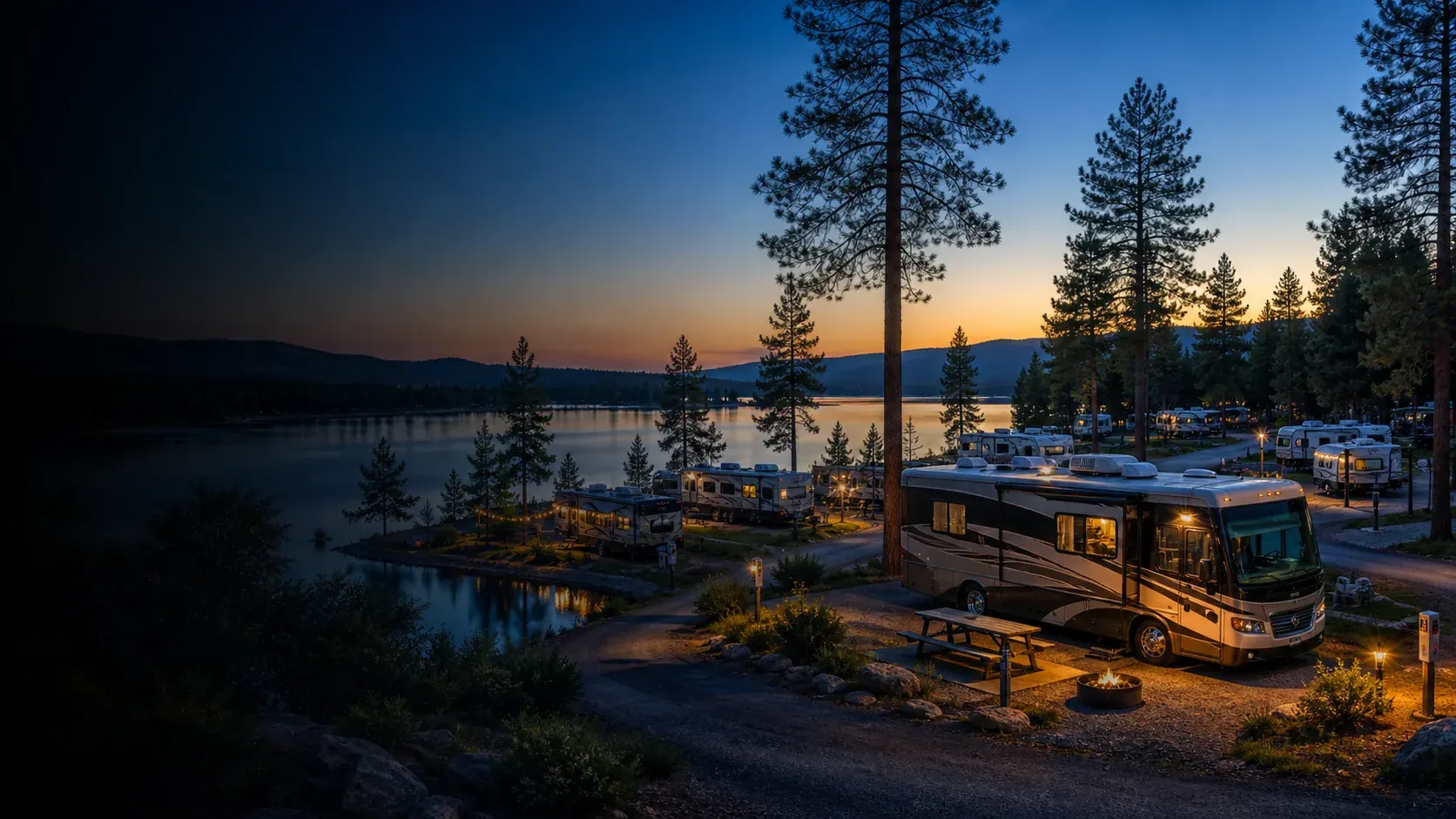
A guest lands from Google, often on a phone, often mid-trip-planning with three other tabs open. The first screen has one job: confirm this is the right kind of park in the right place, and show the way to book. Park name, town or area, the stay types you offer, your best photo, and a booking button, in that order, before anything decorative. Every element that delays that confirmation costs reservations.
The middle of the homepage answers the trust questions: real photos of sites, hookups, cabins, and amenities; your rates presented clearly enough that a guest can predict a total; and reviews placed beside the booking buttons, where they work, instead of exiled to a separate page. A park map earns its place here too, because experienced RVers judge a park by its layout before they judge it by its words.
Lower on the page, carry the specifics that otherwise become phone calls: check-in and check-out times, rig length and hookup details, pet and quiet-hours policies, cancellation terms, and directions that account for how people actually arrive. Every answered question is a call your office does not take and a guest who books online instead of moving on.
Skip the stock photos of parks that are not yours, the autoplay video that slows the page, the popups that cover the booking button, and the welcome letter from the owners above the fold. Guests are not rude for skimming; they are busy. A homepage that respects the skim and still answers everything is the one that books.
I am Jack Magri, founder of Magrify. I build campground homepages around exactly this order, and I will happily grade yours against it, free, if you want a second set of eyes.
Related pages
Jack Magri is an RVer and the founder of Magrify, the Dallas-based studio behind this guide. Since 2021, he has built websites for RV parks, campgrounds, and hospitality businesses across the US.
Next step
Start with your name and best contact method. Magrify will keep the next step simple.