
Written by Jack Magri
Jack Magri is an RVer and the founder of Magrify, the Dallas-based studio behind this guide. Since 2021, he has built websites for RV parks, campgrounds, and hospitality businesses across the US.
 Magrify
Last updated: November 19, 2026
Magrify Answers
At minimum, a homepage that states where you are and how to book, a sites and rates page, an amenities page, a photos page, a policies page, a local area or directions page, and a contact page. Larger parks should add separate pages for monthly stays, cabins or rentals if you have them, and big rig sites if you serve them. Every page should load fast on a phone.
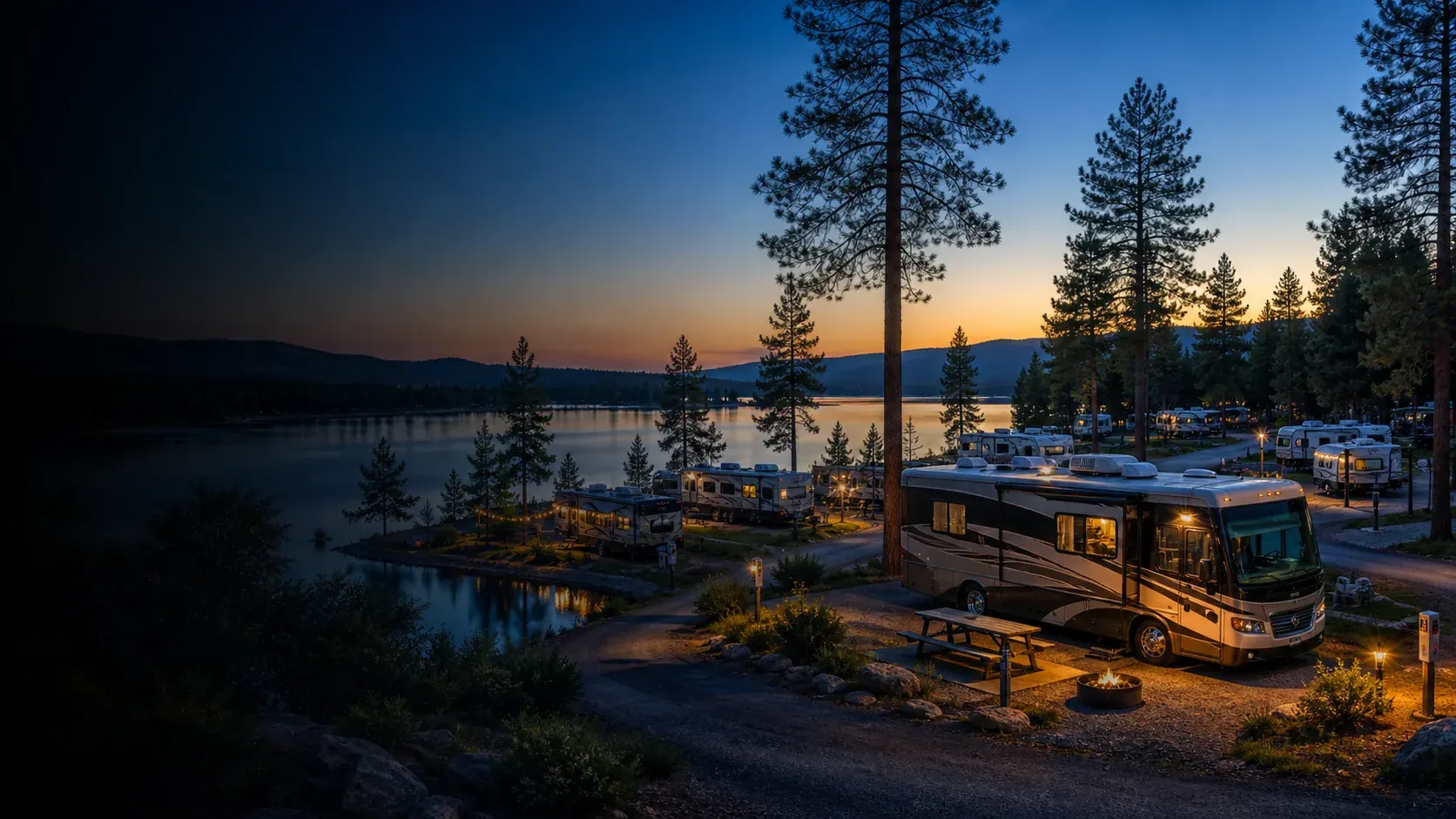
Homepage. Your town, your park type, your best photos, and a clear booking path in the first screen. This is the page most guests and search engines judge first.
Sites and rates. Site types, hookups, size limits, and current rates in plain text. Guests will not call to ask what a clear page could have told them, they will book the next park.
Amenities and photos. What is actually on site, shown in real photos. This page supports both bookings and AI search, because it states your facts in readable text.
Policies, directions, and contact. Check in times, quiet hours, pet rules, cancellation terms, directions that work for a large rig, and a phone number that taps to call.
Monthly and long term stays, cabins and rentals, big rigs, events, and a simple answers or blog section for the questions guests ask every week. Add a page when guests have a distinct need, not to pad the site.
Magrify builds these pages as part of a full website, generally under $1,000 one time, owned outright. Start with a free homepage mockup: [email protected] or (469) 269-0355.
Related pages
Jack Magri is an RVer and the founder of Magrify, the Dallas-based studio behind this guide. Since 2021, he has built websites for RV parks, campgrounds, and hospitality businesses across the US.
Next step
Start with your name and best contact method. Magrify will keep the next step simple.