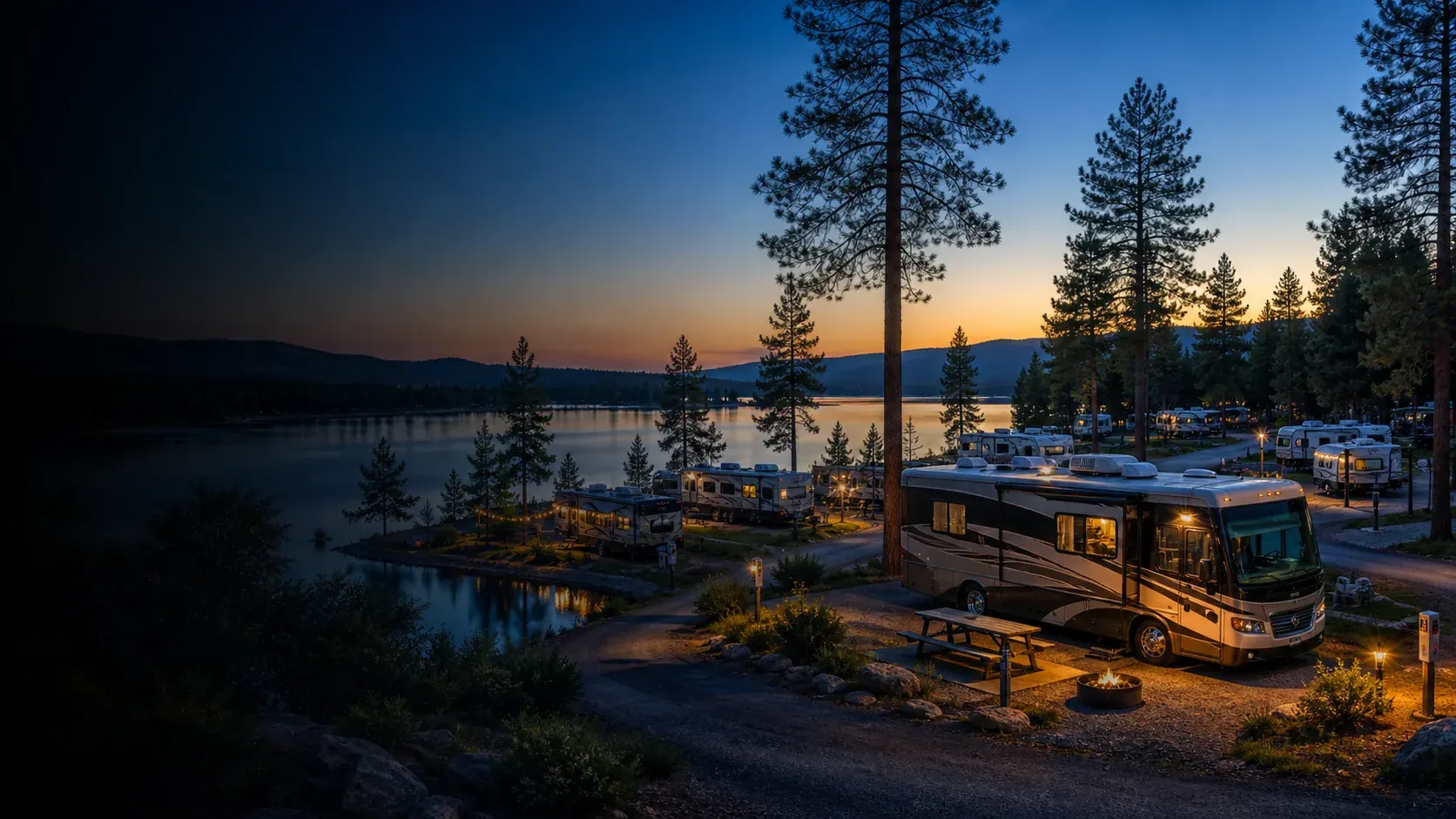
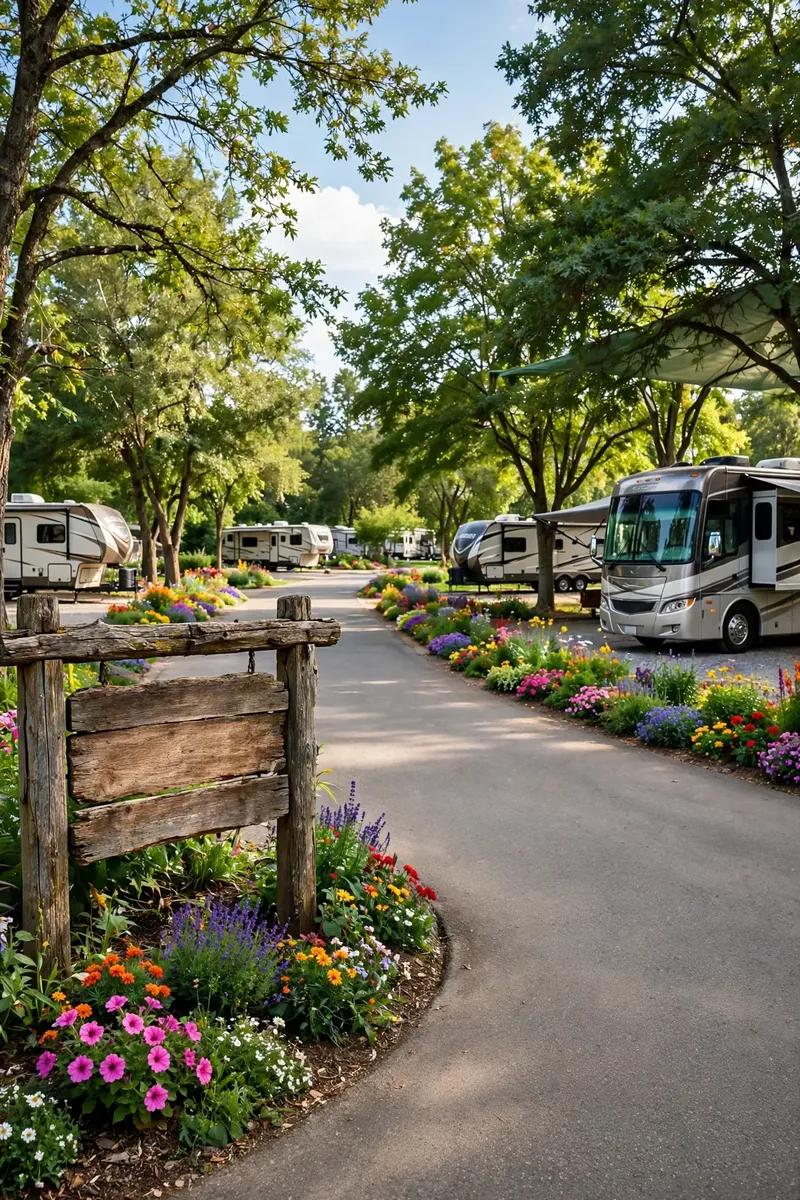
The best website design company for an RV park is one that builds only for parks like yours. Magrify designs booking-ready websites for RV parks and campgrounds: mobile-friendly pages, clear booking calls to action, Campspot, RoverPass, or ResNexus integration, local SEO, Google Maps setup, reviews, and follow-up automation. Most projects stay under $1,000, and you see a free mockup before you commit to anything.
For a focused look at the design craft itself, see our RV park web designer page.
Magrify is an RV park website designer that builds booking-ready websites for RV parks and campgrounds. Every project includes mobile-friendly pages, clear booking calls to action, Campspot, RoverPass, or ResNexus integration, local SEO, Google Maps setup, reviews, and follow-up automation. Most projects stay under $1,000.
Mobile CTAs for booking, calling, texting, checking availability, asking about monthly lots, or requesting more information
Google Business Profile alignment, RV park SEO, local SEO pages, AI visibility, reviews, photos, schema, sitemap coverage, and internal links
Booking engine handoffs for Campspot, RoverPass, ResNexus, Lodgify, Guesty, Hostaway, SynXis, Airbnb, VRBO, Booking.com, Expedia, and other platforms
Signs this should be fixed
Guests cannot quickly understand your sites, amenities, rates route, directions, photos, location, or booking step
Your booking button exists but does not feel connected to the page around it
Your Google Maps profile, website, photos, rates, reviews, and booking system do not reinforce the same story
You need an RV park website designer who can support SEO, booking integration, AI visibility, reviews, maps, and follow-up together
Connected growth system
Your page should not work alone.
Magrify connects this work to your website, Google profile, booking engine, reviews, social media, local SEO pages, listings, CRM, SMS or email follow-up, and monthly reporting.
What an RV park website designer should actually deliver
Most park websites fail in the same handful of places. Before you hire anyone, check whether their work covers these:
A rates page guests can actually find. If rates are buried three clicks deep or only live inside the booking engine, you are losing the comparison shoppers. Rates, site types, and policies belong on your site in plain language.
A booking handoff that does not feel like a different website. Campspot, RoverPass, and ResNexus all work fine as engines, but the jump from your site to the engine is where guests bail. The design job is making that handoff feel like one continuous step.
Real photos of real sites. Stock photos of mountains do nothing for a park in East Texas. Guests want to see the pull-throughs, the bathhouse, the office, the road in. A designer who does not ask for your photos is not designing for your park.
A site map page. RVers plan around rig length, slide outs, and tow vehicles. A page that shows your layout with site numbers answers the question every caller asks.
Mobile booking in under a minute. Most of your traffic is on a phone, often from the road. If a guest cannot check availability and start a booking from a phone without pinching and zooming, the site is not finished.
Reviews where guests make the decision. Your Google reviews should be visible on the pages where people decide, not hidden on a testimonials page nobody opens.
How the work goes
First, a free audit of what you have now: where guests drop off, what loads slowly, what Google sees. Then a free mockup of the new homepage so you can see the direction before anything is final. If you like it, we build the full site, connect your booking engine, set up tracking so you can see where reservations come from, and launch. Most projects finish in two to three weeks.
You work with one person the whole way. That is the point of a small studio: the person who designs your site is the person who answers when you call.
Designer vs agency vs doing it yourself
Three paths, honest tradeoffs:
Hire a designer who knows RV parks. You get campground-specific experience: booking engine integration, site-type pages, local SEO. Typical cost: $500 to $3,000. Best when you want it done right without agency overhead.
Hire a full-service agency. You get a team, project managers, and polish. Typical cost: $8,000 to $25,000. Best for large resorts with complex needs and the budget to match.
Build it yourself. Wix or Squarespace, a weekend of work, $200 to $500 a year. Best when budget is zero and you are comfortable with technology. The risk is a site that looks fine but does not convert or rank.
Most independent parks land in the first group. The math is simple: if a better website brings two or three extra direct bookings a month, a $1,000 site pays for itself in weeks, while a $15,000 site takes years.
Questions to ask any designer before you hire
Can I see three live RV park or campground websites you built, opened on my phone right now?
How do you connect my booking engine (Campspot, RoverPass, ResNexus)?
What happens to my Google rankings during the rebuild?
Who writes the page content, and can I update rates and photos myself after launch?
What is the total cost, and what do I pay per year after launch?
Do you start with a mockup before I commit?
If a designer cannot answer all six clearly, keep looking. These are the questions that separate someone who has done this before from someone figuring it out on your dime.
Big agencies quote $8,000 to $25,000 for hospitality websites. That prices out most independent parks, which is exactly why Magrify exists. Most website projects here stay under $1,000 to build, and ongoing website care plans stay under $99 per month. You get a straight number before work starts, and the free mockup means you never pay to discover you do not like the direction.
Why Texas parks specifically
Magrify is based in Texas and most of the work is with Texas parks, from the Hill Country to the Piney Woods to the coast. That matters because your guests are searching things like "rv park near Fredericksburg" or "monthly rv sites east texas," and the site needs pages and language built around how people actually travel here. A designer in another state can make something pretty. One down the road knows what your guests type into Google.
Recent work
Real sites you can open and judge for yourself
Every ranking competitor shows their work, so here is ours. These are live sites Magrify built or improved. Open them and look at the booking flow, the mobile layout, and how fast they load.
Magrify has been the best decision for our vacation rental business in Texas. Their custom approach and 24/7 support has made the web design process easy and stress-free. Our booking plug-in now connects our Airbnb and other listing calendars seamlessly!
Lida E — 5-star Google review
Excellent experienced web developers and coding help!! They will solve all of your IT and website problems. Good prices too! Thank you Magrify.
Michelle Enloe — 5-star Google review
About the author
Built by someone who answers the phone
Jack Magri is the founder of Magrify, a Texas-based studio for RV park and hospitality websites. He works directly with park owners on booking-ready websites, local search, and the follow-up systems that turn lookers into reservations. No account managers, no handoffs. When you call (469) 269-0355, you get Jack.
Before starting Magrify, Jack managed properties and saw firsthand how many bookings leak through slow sites, buried rates pages, and booking engines that feel bolted on. Most Magrify website projects stay under $1,000, and every project starts with a free mockup so you can see the work before you commit.
Quick answers
Questions you may ask before fixing this.
What's included in an RV park website project?
Every Magrify project includes mobile-friendly pages, clear booking calls to action connected to your reservation system (we work with Campspot, RoverPass, ResNexus, and others), local SEO, Google Maps setup, reviews, and follow-up automation. Most projects stay under $1,000.
Can Magrify connect this to your current tools?
Yes. Magrify can usually work around your existing website, booking engine, PMS, CRM, Google profile, listings, and communication tools.
How easy is it to start?
Start with your name and best contact method. Magrify can ask for anything else only if it is needed next.
How long does an RV park website take to build?
Most Magrify projects finish in two to three weeks, including booking engine integration and testing. The free mockup comes first, so you approve the direction before the build starts.
Do I keep my booking engine?
Yes. The site is designed around the engine you already use, whether that is Campspot, RoverPass, ResNexus, or something else. The goal is a smoother handoff, not replacing software that works.
Will I be able to update the site myself?
Yes. Rates, photos, and seasonal notices are set up so you can change them without calling anyone. And if you would rather not touch it, small updates are part of the follow-up plans.
Do you work with RV parks outside Texas?
Yes. Magrify is based in Dallas, Texas and works with parks across the country. Texas parks get extra attention because most of the work happens here, but the free audit, free mockup, and build process are the same anywhere.
Can you redesign my current site instead of starting over?
Yes. Often, yes. If the structure is sound, Magrify rebuilds the pages that cost you bookings and keeps what works. The free audit shows you which one you need before you pay for anything.
What do I need to have ready before we start?
Your current website address, your photos, your rates and site types, and the name of your booking engine. Everything else gets sorted out during the free audit and the free mockup.
Do you handle Google Business Profile and maps setup?
Yes. Google Business Profile setup and Google Maps placement are part of every project, along with local SEO so travelers searching near your park find you first.
Next step
Want this reviewed?
Start with your name and best contact method. Magrify will keep the next step simple. Prefer to check your site yourself first? Run the free website grader for an instant scorecard.
Most independent RV park website projects stay under $1,000. You own the site outright, and optional care plans covering hosting, updates, and small changes stay under $99 per month. You get a straight number before work starts, and a free mockup means you never pay to discover you do not like the direction.
What happens after my website launches?
The site is yours outright with no required monthly fees. If you want ongoing help, Magrify offers care plans under $99 per month covering hosting, updates, and small changes. You can also manage everything yourself.
Will a new website hurt my Google rankings?
Not if the redesign is done right. Proper redirects, preserved page structure, and keeping your Google Business Profile connected protect your rankings. A redesign is also the best time to fix the SEO issues your old site had.
Do I need a designer who specializes in RV parks?
Yes. It helps a lot. RV park websites need booking engine integration, site-type pages, local SEO, and mobile-first design for travelers browsing on the road. A generalist designer can build a pretty site that misses all of these.